Commercial Waste in Docklands
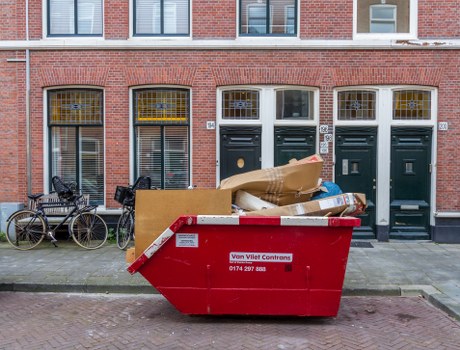
Commercial waste in Docklands needs a service that can handle mixed business rubbish, keep collections organised and support day-to-day operations without unnecessary disruption. We deal with a range of routine and occasional commercial waste streams, from general office rubbish to heavier clearances that call for careful sorting and loading. The aim is simple: provide a practical waste removal service for workplaces, landlords, and managed properties across Docklands, with a clear route for arranging a quotation.
Our commercial waste removal work is shaped around the material itself rather than a one-size-fits-all approach. Office items, packaging, broken furniture and bulky fixtures all need different handling, and some waste requires separate attention before it can leave the premises. That distinction matters because it helps keep disposal efficient, helps with recycling where possible, and reduces avoidable handling on site. If you are comparing options, start with the type of waste, the access available and the level of sorting already done, then request a quotation when you are ready.
We can help with regular clear-outs and one-off commercial removals, including work that sits between ordinary bin collection and a full site clearance. For many businesses, the useful answer is not just lifting waste away, but matching the collection to the property layout, the item types and the timing you need. If that sounds familiar, ask for a quote and describe the waste in plain terms. An initial conversation can often establish the right scope without turning the process into a complicated job.
Office waste and workplace clearances
Office waste often includes a mix of paper, packaging, obsolete IT peripherals, chairs, desks and storage units. The practical challenge is that these items are not all handled in the same way, especially when they have to be moved through shared entrances, lifts or busy internal corridors. A tidy, organised office clearance keeps the work moving in the right sequence: first identify the main categories, then separate anything reusable or recyclable, and only then load the remaining waste for removal.
Where an office is being reconfigured or vacated, the waste service usually needs to support dismantling and removal as well as collection. That may include taking apart furniture for easier movement, dealing with mixed contents from storage cupboards, and clearing accumulated items from back rooms, deskside areas or archive corners. Our approach is to keep the work focused on what actually needs removing, rather than creating extra handling that does not help the site. Office clearance can be a useful fit when a workplace needs a more structured removal than a simple bin uplift.
Planning is often easier when the customer can describe the categories of waste instead of trying to list every individual item. A short note about the floor level, the access route and any bulky pieces gives a better basis for pricing than a vague request. If you have one area with light rubbish and another with heavier furniture, mention both in the same enquiry so the collection can be planned sensibly. Business waste removal is relevant when several types of commercial rubbish need to be taken in one visit.
Business waste removal for mixed commercial loads
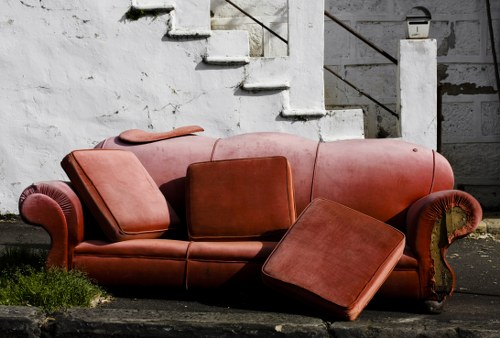
Many commercial jobs are mixed loads rather than a single waste type. That might mean packaging from deliveries, broken office equipment, shelving, redundant stock, or general rubbish gathered over time. In those cases, the service needs enough flexibility to manage the load safely while still keeping useful items separate where possible. A mixed business collection is often the most practical route when waste has built up across more than one area of the premises.
For businesses that operate from shared units, serviced buildings or managed estates, waste removal can also involve coordination with building rules. Access windows, lift use, loading areas and internal routes all affect how the work is carried out. A good collection plan takes those limits into account before anyone arrives. If you are comparing service options, it helps to think about whether the waste is all in one place or spread across the site. That detail can shape the collection method more than the volume alone. Waste removal is a broad option when the job includes several categories of non-hazardous rubbish.
Useful information for a quotation usually includes the main item types, whether the waste is loose or bagged, and whether there are any awkward objects that need dismantling. If you have photographs, they can help describe the load accurately, but they are not a substitute for a clear explanation of what needs to go. Pricing and quotes is the place to look when you want to understand how the scope of a job influences the estimate.
Furniture disposal and bulky item handling
Office and commercial premises often need help with bulky furniture that is no longer suitable for use or relocation. Tables, cabinets, shelving, reception seating and similar items can be awkward to move through a building, especially when they are heavy, awkwardly shaped or partly dismantled already. A furniture removal service needs to account for lifting, manoeuvring, loading and disposal as separate steps, not just the final removal from site.
Where items are suitable for reuse, repair or material recovery, sorting can make the disposal process more efficient. When furniture is damaged, contaminated or beyond economical reuse, it may need to be treated as waste from the outset. The value of a focused service is that it can handle either situation without overcomplicating the collection. For businesses dealing with old desks, office chairs or cabinets in one go, furniture disposal is a direct way to clear space responsibly.
Some removals are easier if the customer has already identified which items are staying and which are going, especially where a room contains a mix of reused and redundant furniture. You do not need a perfect inventory, but a clear distinction between keep, move and remove helps avoid confusion on the day. If you are dealing with larger objects or multiple floors, furniture clearance can suit situations where the work involves more than isolated pieces.
Bulky items, appliances and specialist loads
Some commercial waste needs more attention than ordinary general rubbish because of its size, weight or material mix. Fridges, display units, worn appliances and other bulky items can present handling issues long before they reach disposal. The important question is not only whether an item can be moved, but how it should be prepared, loaded and separated from other waste streams. That is especially relevant in premises with narrow access or shared circulation areas.
When appliances or specialist objects are part of a clearance, it helps to identify them early so the collection can be set up with the right loading sequence. Certain items also require separate treatment from regular office rubbish because they may contain materials that should not be mixed with general waste. A sensible approach is to group like with like, keep dangerous or confidential materials out of the main stream, and only then arrange collection. Fridge and appliance removal is a useful option when electrical or kitchen equipment needs dedicated handling.
For larger or more awkward commercial clearances, the access path matters almost as much as the waste itself. Stairs, shared foyers, service corridors and loading restrictions can change the time and effort needed to complete the job. If you are unsure whether an item is suitable for regular collection, describe it alongside the rest of the load and ask for guidance. Builders waste clearance may be relevant where commercial premises are being fitted out, altered or renovated.
Sorting, recycling and responsible disposal
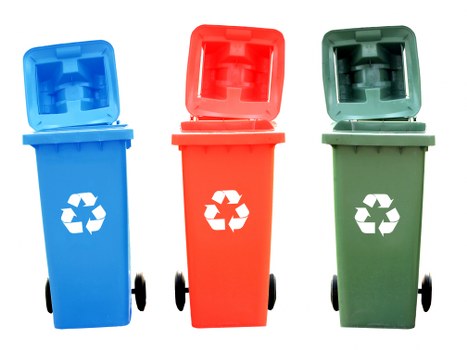
Responsible commercial waste removal is not just about taking material away. It also depends on sorting what can be separated for recycling, what needs specialist handling and what can move together as general waste. In a business context, that usually means paying attention to cardboard, paper, metals, mixed plastics, furniture components and electrical items, rather than tipping everything into a single load. A well-organised removal can reduce unnecessary waste handling and make the whole process cleaner for the premises.
Recycling decisions are often made most effectively at the point of collection. If waste is already bagged, stacked or grouped by type, it becomes easier to keep recoverable material distinct from general rubbish. That does not mean every job needs a complex sorting system. It means the removal should be thoughtful enough to recognise obvious material streams and avoid needless mixing. If sustainability is part of your decision-making, you can review recycling and sustainability to see how waste handling can be approached with material recovery in mind.
There are also practical limits. Not every object can be broken down on site, and not every material is suitable for the same route. Heavy contamination, mixed fixings or tightly built furniture can change the best disposal method. The most useful quotations tend to come from a description of the waste types rather than a broad estimate of how much space they occupy. If the load includes a little of everything, say so clearly and let the collection be planned around the mixture.
Confidential and regulated material
Some commercial waste should be kept apart from ordinary clearances because of confidentiality or specific disposal rules. Paper records, archived documents, documents awaiting destruction and certain office materials should not simply be mixed into a general rubbish pile if a more controlled route is needed. A commercial waste service can help by separating those items early, so they are handled in a way that suits their sensitivity and material type.
For businesses that need secure removal of papers or file-based material, the collection should be organised so the confidential load does not become tangled with other waste. The principle is straightforward: keep sensitive material identifiable, avoid unnecessary handling and choose the right disposal route for the item category. If your premises also need ordinary rubbish removed at the same time, it is often easier to combine the jobs in a single plan. Confidential shredding is the obvious route when secure destruction is part of the job.
Preparing for this kind of collection does not need to be complicated. A brief note about the approximate volume, the storage format and whether the items are boxed, bagged or loose is usually enough to start. If the waste includes both confidential material and bulky furniture, mention them separately in the same enquiry so the work can be priced as one connected job rather than treated as a guess. That simple distinction can save time and reduce avoidable back-and-forth.
Commercial sites, access and practical planning
Commercial waste work is often shaped by the site itself. Shared entrances, timed loading bays, lift access, security gates and internal tenant arrangements all influence how the removal should be carried out. A collection that works well on paper may need adjusting once the access route and item positions are understood. For that reason, the most useful quotations usually come from a description of the premises as well as the waste. The service should fit the building, not the other way around.
Simple planning details can make a real difference. If items are spread across several rooms, say which floors they are on. If there are narrow corridors or limited parking, mention that too. If the waste needs to be removed before a handover, refurbishment or tenancy change, the timing should be made clear from the outset. These are not complications for their own sake; they are the facts that help turn a rough enquiry into a workable collection plan. Book online is available if you prefer a straightforward way to begin arranging the job.
When the waste is contained in one area, the job may be relatively direct. When it is distributed across a site, the collection may need a more organised sequence, especially if the load includes both light and heavy items. Either way, the aim is to keep the process practical and clear. Good planning helps the removal move efficiently, but it does not need to become a drawn-out project. A few accurate details are usually enough.
Prices, quotation details and booking the work

Commercial waste quotations are usually shaped by the type of items, the quantity, access conditions and whether the material needs separating before loading. A straightforward job with light general rubbish will naturally differ from a mixed clearance containing furniture, appliances and confidential material. The most helpful enquiry therefore describes what is there, how it is arranged and what kind of outcome you want. That gives a realistic basis for pricing without unnecessary assumptions.
If you are gathering figures for a business decision, it helps to be specific about the service required rather than asking for a generic waste price. The difference between a rubbish collection, an office clearance and a furniture removal can be significant because the handling, preparation and disposal routes are not identical. You can review pricing and quotes if you want to understand the factors that usually affect a commercial estimate. Clear information from the start is the best way to keep the quote relevant.
For many customers, the next step is simply to make the job easy to assess. A short description of the waste, the location inside the property and any access limits will usually do more than a long explanation. If you have a preferred date, include it; if you do not, say that the timing is flexible. Then request a quotation and let the service be matched to the load rather than the other way around.
About Docklands
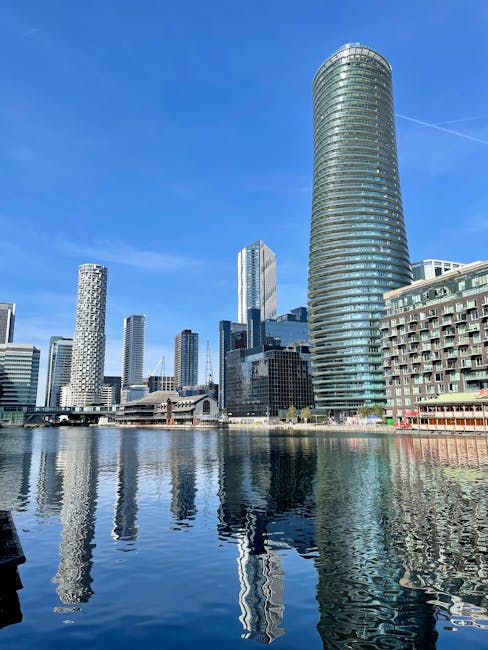
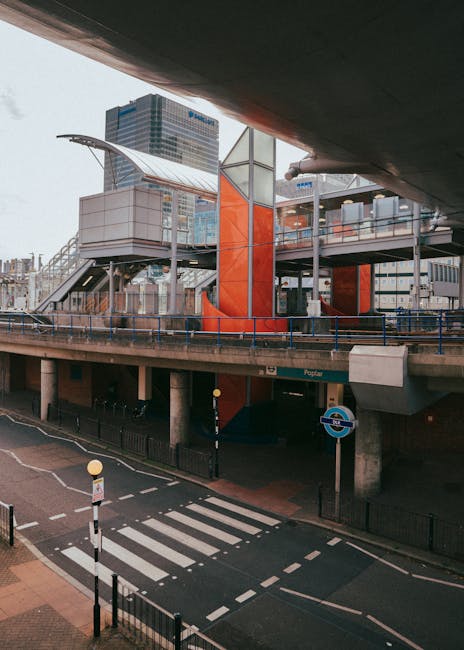
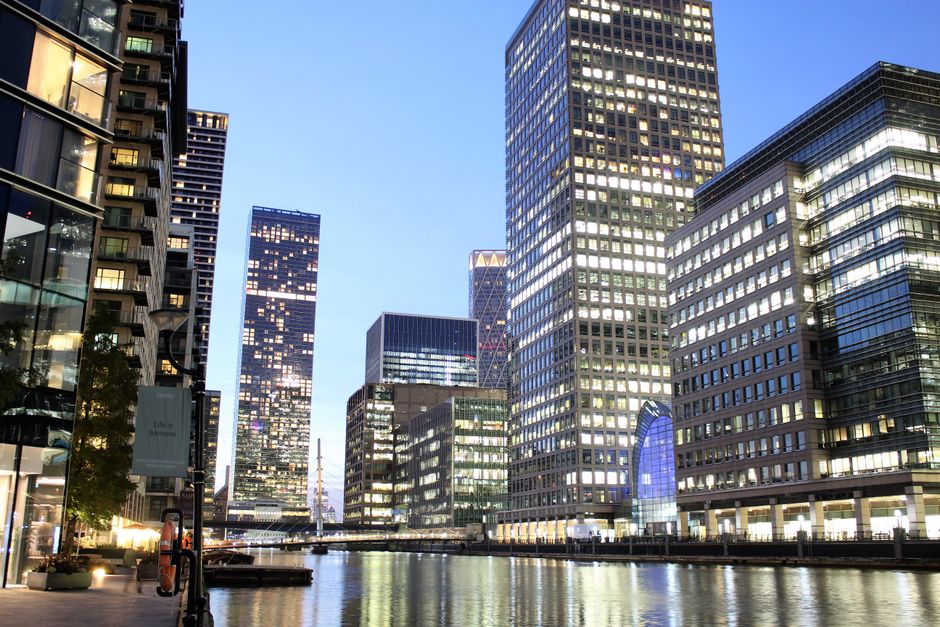
Docklands is the name commonly used for the former dockland area on the eastern side of London, a landscape that changed dramatically from working wharves and warehouses into a dense mixed commercial and residential quarter. The area is most closely associated with the extensive redevelopment of the late twentieth century, when former industrial land along the Thames and its tributaries was reshaped for offices, apartments, transport links and new public spaces. Canary Wharf became the best-known centre of that transformation, but Docklands also includes a wider network of basins, piers, walkways and waterside developments that reflect the area’s maritime past. The Docklands Light Railway has helped knit together places that were once difficult to reach, and the wider district remains strongly defined by transport infrastructure and water-edge views. Historic traces of the old port system can still be seen in place names, dock basins and preserved industrial details, while newer architecture ranges from high-rise towers to smaller residential schemes and regenerated mixed-use buildings. The Thames Path and nearby riverside routes add a very different experience from the commercial core, with open water, bridges and changing skyline views playing a major part in the character of the district. Docklands today is not a single uniform place but a collection of connected neighbourhoods, each shaped by its own relationship with the river, the docks and the post-industrial city.
House clearances and related commercial removals
Although the main focus here is commercial waste, some properties in Docklands need removal work that overlaps with domestic-style clearance. Managed apartments, mixed-use buildings and landlord portfolios can involve furniture, stored belongings and general waste that need to be cleared carefully without disrupting neighbours or building operations. In those situations, it helps to choose a service that can treat the removal as a structured job rather than a quick bin collection. The same practical principles apply: identify the item types, separate what remains in place and organise the collection around access.
Where a site contains a mixture of office furniture, domestic furniture and general rubbish, the safest and most efficient approach is usually to keep the categories distinct. That makes it easier to decide what needs dismantling, what needs loading whole and what should be treated as ordinary waste. If your job is wider than a single office room, house clearance may be relevant for residential or landlord-led removals, while flat clearance can suit apartment clearances that need careful handling in shared buildings.
Different premises call for different levels of sorting. A storage room full of mixed items will not be handled the same way as a single bulky furniture piece or a set of boxed files. The useful question is always what needs to leave the premises, what can stay and what must be separated beforehand. That is the kind of detail that improves a quotation and avoids unnecessary confusion when the job is carried out.
Arrange your commercial waste quotation
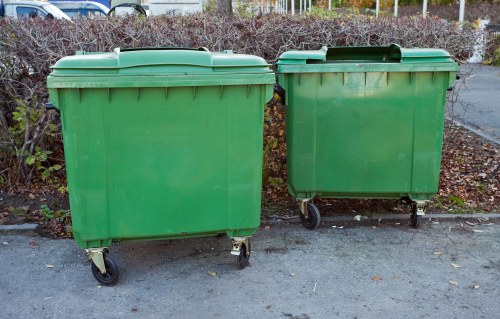
If you need commercial waste removed in Docklands, the clearest next step is to describe the load, the access conditions and the kind of service you need. That might be routine business waste removal, a one-off office clearance, bulky furniture disposal or a mixed collection that includes several item types. We keep the process practical and focused on the waste itself, so you can make a decision with a sensible understanding of the work involved.
For best results, group similar items together where possible, note any access restrictions and mention anything sensitive, heavy or awkward. That helps the quotation reflect the actual job rather than a rough estimate based on limited detail. If you are still deciding between service types, use the pages above to compare the options and narrow the scope before you send your enquiry. Request a quotation when you are ready, and give a plain description of the waste so the response can be matched to your requirements.
Whether the task is a straightforward uplift or a fuller commercial clearance, the useful outcome is the same: waste removed in a way that fits the premises and the material involved. If you want to move forward, send the details now and contact us for a quotation.