Commercial Waste Docklands Health & Safety Policy
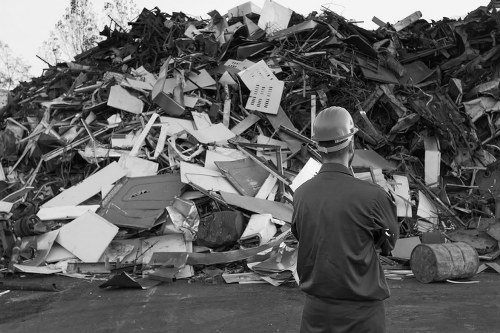 Commercial Waste Docklands is committed to providing a safe and healthy working environment for all employees, contractors, visitors and members of the public affected by our operations. This policy applies to all aspects of our commercial rubbish collection and Docklands waste services, including waste collection, transfer, handling, storage and transportation. Our objective is to prevent work-related injuries and ill health by identifying hazards, assessing risks and implementing effective controls across every rubbish removal and waste management activity.
We will ensure that health and safety considerations are integrated into day-to-day operations and planning. This includes provision of appropriate personal protective equipment (PPE), safe systems of work for bulky waste handling, and clear procedures for dealing with hazardous materials found during commercial waste collections. Line managers and supervisors are responsible for promoting safe working practices and ensuring that team members understand their duties under this policy.
 The management team will set and monitor measurable safety targets for waste removal Docklands services and will make available the necessary resources to achieve these aims. Risk assessments shall be carried out for all routine and non-routine tasks, with special attention to vehicle operations, manual handling, sharps and contaminated materials. Records of assessments, control measures and resulting training will be maintained and reviewed regularly.
Policy Statement and Scope
Our waste collection and commercial rubbish services operate with a clear zero harm aspiration. The policy covers all employees, drivers, loaders, yard staff and subcontractors engaged in Docklands waste collection, street-side commercial waste pickups and site-based container services. We recognise that safe performance requires leadership, worker engagement and continuous improvement in health and safety management for the entire rubbish company service area.
 Responsibilities are defined as follows: senior management will demonstrate visible commitment and provide resources; supervisors will ensure safe systems are followed; employees must work safely, report hazards and participate in training. Contractors engaged for specialised disposal or recycling tasks must comply with our safety standards and provide evidence of competence and insurance prior to beginning work.
We maintain a documented system for hazard identification and risk control for waste removal Docklands operations. Controls include vehicle maintenance checks, segregation of hazardous wastes, secure loading procedures, and traffic management at collection points. Where risks cannot be eliminated, we will mitigate them by engineering controls, safe work procedures and appropriate PPE.
Operational Controls, Training and Emergency Preparedness
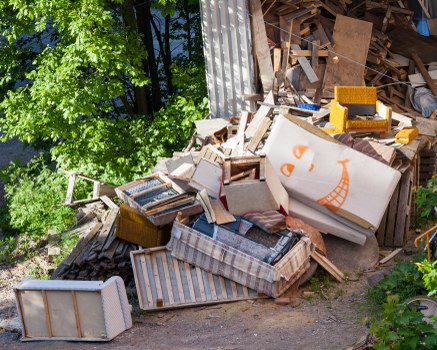 Vehicles and equipment used for rubbish collection and commercial waste handling must be maintained to a high standard and inspected daily. Drivers and crews will follow written safe-loading procedures to prevent shifting loads, spillage and manual handling injuries. Vehicle emergency kits and spill response materials shall be carried on all collection vehicles and yard vehicles.
Training and competence are essential: all staff will receive induction training specific to waste operations, refresher training and task-specific instruction for handling hazardous or sharps-contaminated materials. We will keep training records and monitor competence through periodic assessments and on-site observations. Supervisors will ensure new employees are not exposed to dangerous tasks until they have demonstrated required skills and knowledge.
 Incident reporting, investigation and corrective action form a core part of our approach. All accidents, near-misses and hazardous occurrences must be reported promptly, investigated to identify root causes and followed by corrective measures to prevent recurrence. We will apply learning from incidents across the commercial rubbish Docklands service area and communicate outcomes to staff.
Monitoring, Compliance and Review
To ensure the policy remains effective we will conduct regular audits, safety inspections and performance reviews. Key performance indicators for the waste removal Docklands service will include incident rates, training completion, vehicle defect closure times and the effectiveness of risk control measures. We will also monitor legal and regulatory changes and adjust our procedures accordingly to maintain compliance and best practice.
Employees are encouraged to raise concerns and suggest improvements through established reporting channels. The organisation will actively engage with the workforce on safety matters and provide opportunities for participation in risk assessments and improvement initiatives. Our management team will review this policy at least annually, or sooner following significant operational change or a serious incident.
Implementation: Senior management endorses this policy and will ensure it is implemented, communicated and enforced. All employees and contractors must familiarise themselves with the policy and cooperate to maintain a safe working environment across every aspect of commercial waste operations and Docklands rubbish services. By working together we aim to protect health, prevent harm and continually improve safety performance.
- Key commitments: Maintain safe systems of work for waste handling and transport.
- Training: Provide relevant instruction, supervision and competence checks.
- Incident management: Report, investigate and implement corrective actions.
- Continuous improvement: Monitor performance and review the policy regularly.
This Health & Safety policy for commercial waste and Docklands waste services is a live document and forms part of our management system to protect people, property and the environment while delivering efficient rubbish company services.
